Eyelid surgery
Upper eyelid surgery
Upper eyelid surgery
An upper eyelid surgery helps to remove excess skin and fat pads in the eyelid area. The result is a youthful appearance, but the procedure can also relieve vision problems and migraines.

Price
28,000 CZK

Anesthesia
local anesthesia


Recovery period
2 weeks

Rest period
2-3 weeks
Upper eyelid surgery
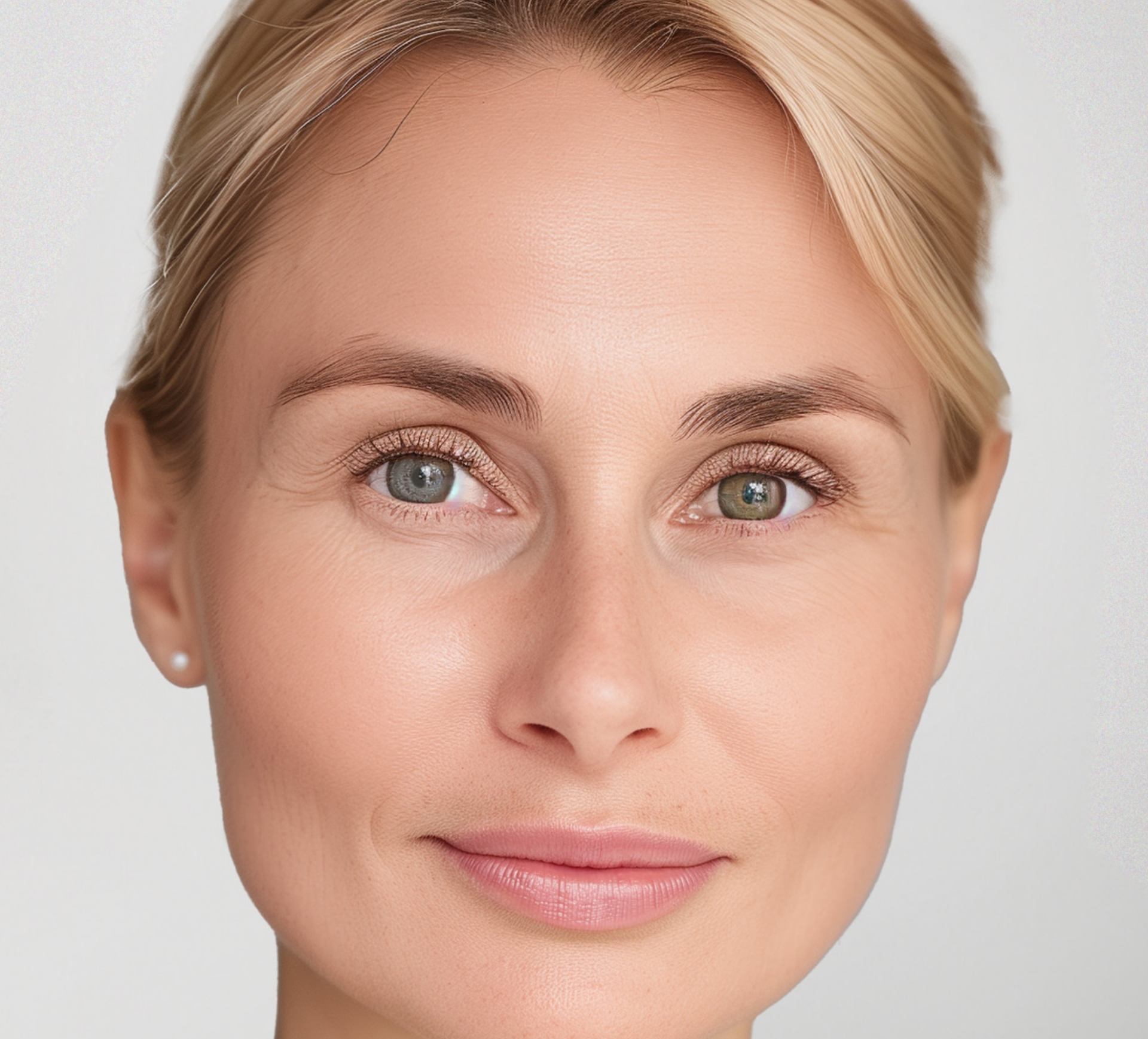
Upper eyelid surgery, or upper blepharoplasty, is one of the most typically performed cosmetic surgical procedures. The aim is to remove excess skin and partially remove fat pockets from the upper eyelid area. For some clients, it is purely a cosmetic issue, but for others, drooping eyelids and a large fat pocket can even cause vision problems and migraines. When assessing whether a client is a suitable candidate for this procedure, the surgeon must evaluate the face as a whole. Sometimes, covered eyes have nothing to do with the eyelids themselves, but rather with drooping eyebrows, which descend lower with age. This causes the skin of the upper eyelid to droop, and therefore simply adjusting the position of the eyebrows – a brow lift – can restore a youthful, open look to the eyes. A suitable candidate for upper eyelid surgery is someone with significant excess skin, fat pockets, or congenital asymmetry that can be easily corrected by the surgeon.
Indications
loose skin in the upper eyelid area, fat pads in the upper eyelid area, asymmetry
Overnight stay
not necessary
Stitch removal
one week after surgery
Upper eyelid surgery: before & after
Description of the surgical procedure
Consultation
An initial consultation is a very important part of the surgery. The client tells the surgeon the reasons why they decided to undergo the procedure, and the surgeon explains what the client can expect from the surgery, what results are realistic, and advises them on the most suitable procedure for them. During the consultation, the doctor answers all the client’s questions.
Before the procedure
Before each surgery, it is necessary to assess the overall health of each client. With local anesthesia, blood samples can be taken in a laboratory or by a general practitioner or internist.
The procedure
Upper eyelid surgery is performed on an outpatient basis under local anesthesia and takes approximately 30-45 min to complete. Before the surgery, the surgeon explains everything to the client again, and the client then receives premedication. In the operating room, we administer a local anesthetic by injection. This may be slightly uncomfortable, but the injection only takes a moment, and the client feels almost nothing during the subsequent operation. The incision is made in the upper eyelid area in the natural eyelid crease and is extended laterally and upwards. This creates an attractive almond-shaped eye. Excess skin and, if necessary, fat pockets are removed. The wound is closed with a very fine suture. A longer incision prevents the accumulation of skin in the skin fold over time and the appearance of so-called “dog eyes”. The effect will therefore last longer.
After the procedure
Immediately after the procedure, the scar is covered with a plaster, which is left in place until the stitches are removed. The client leaves the clinic, and it is necessary to have their transport arranged. A 24-hour hotline is available, which the client can contact if necessary. The stitches are removed on the 7th day after the procedure. It is very important to rest for at least three days. We recommend cooling the eyes with cold compresses, avoiding bending over and straining the eyes by looking at screens. Swelling and bruising occur individually, usually lasting 1-2 weeks. It is possible to get back to normal office work after just a few days. Two weeks after the surgery, the client begins to do gentle pressure massage on the scars and starts lubricating them with silicone cream. The scars are less visible after just two weeks and barely noticeable after a few months, but it is important to take care of them. Pressure massage should be performed twice a day for several months. The postoperative care bag that the client receives from us after the operation contains all the necessary medications and creams.
Results and durability of upper eyelid surgery
You will see the difference just one week after the surgery, but the result will not be visible until about 1-2 months after the surgery, when the slight swelling subsides. The durability of the results of this procedure depends on age, genetics and lifestyle. The procedure can also be combined with lower eyelid surgery or other rejuvenating procedures in the facial area.
Risks
No surgery is completely risk-free. However, these risks are minimized by a skilled and experienced surgeon, adherence to preoperative instructions, and conscientious postoperative care. The client is informed of the most common risks before the surgery.
Frequently asked questions and answers
Upper eyelid surgery can improve your vision if you have excess skin that limits your field of vision. In that case, it will not only rejuvenate your appearance but also improve your vision and eye comfort. The surgery will not solve other eye problems such as myopia, astigmatism, or cataracts.
In upper eyelid surgery, the scar is very inconspicuous and well camouflaged. The incision is made within the natural crease of the upper eyelid. After healing, the scar is virtually invisible. Modern suturing techniques and subsequent scar care significantly minimize its visibility.
It is usually recommended to wait at least 1-2 weeks after the surgery before you start wearing contact lenses again. The waiting period depends on individual healing rate and your doctor’s recommendations.
We advise waiting approximately 14 days after the surgery before you start applying make-up, but only if the incisions have fully healed.
Other procedures
Lower eyelid surgery
A lower eyelid surgery addresses the tired appearance of the eyes caused by fat bags or hollows under the eyes. The procedure makes your face look refreshed and rested.
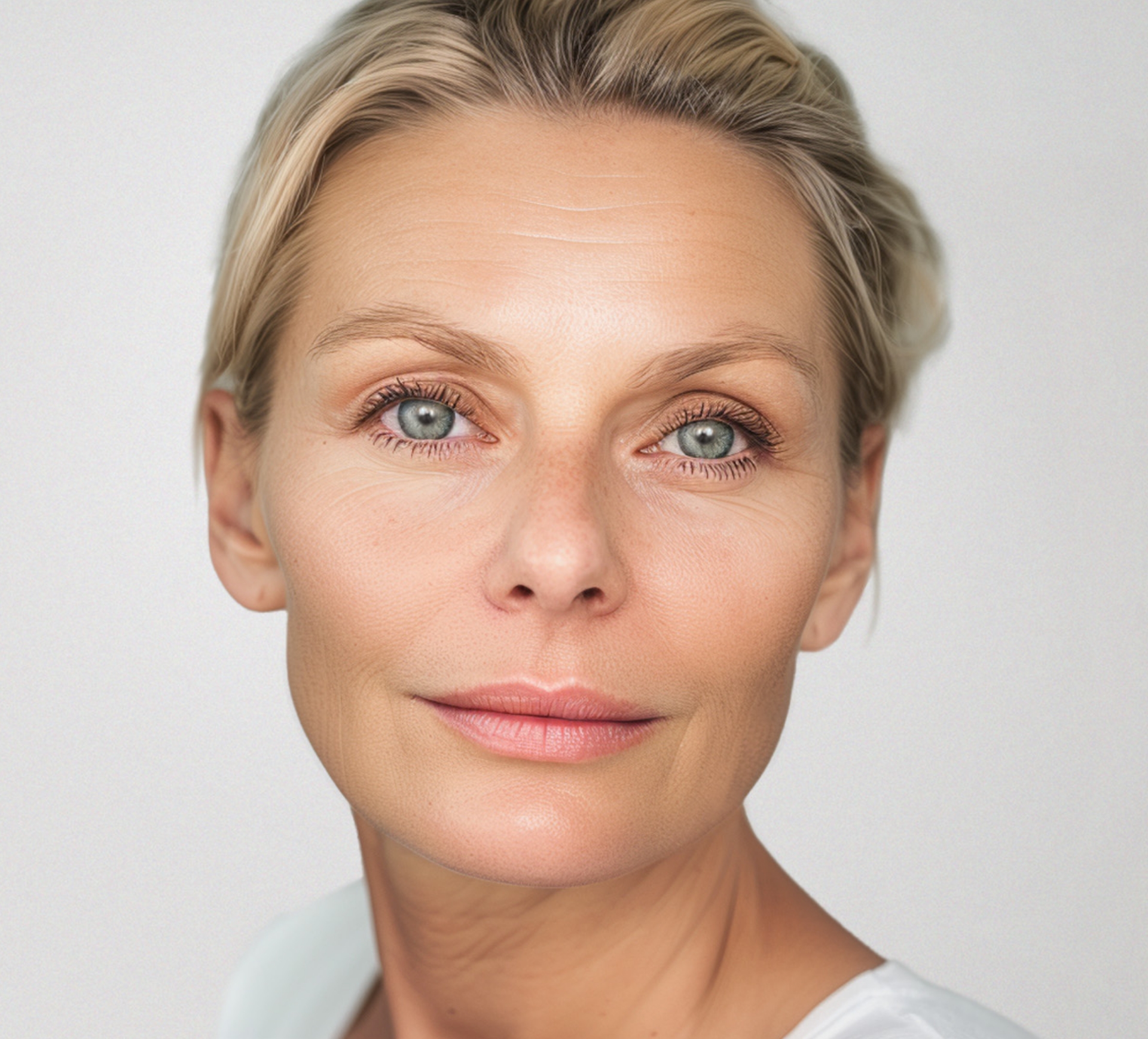
Upper eyelid surgery
An upper eyelid surgery helps to remove excess skin and fat pads in the eyelid area. The result is a youthful appearance, but the procedure can also relieve vision problems and migraines.