Facelift
V lift
V lift
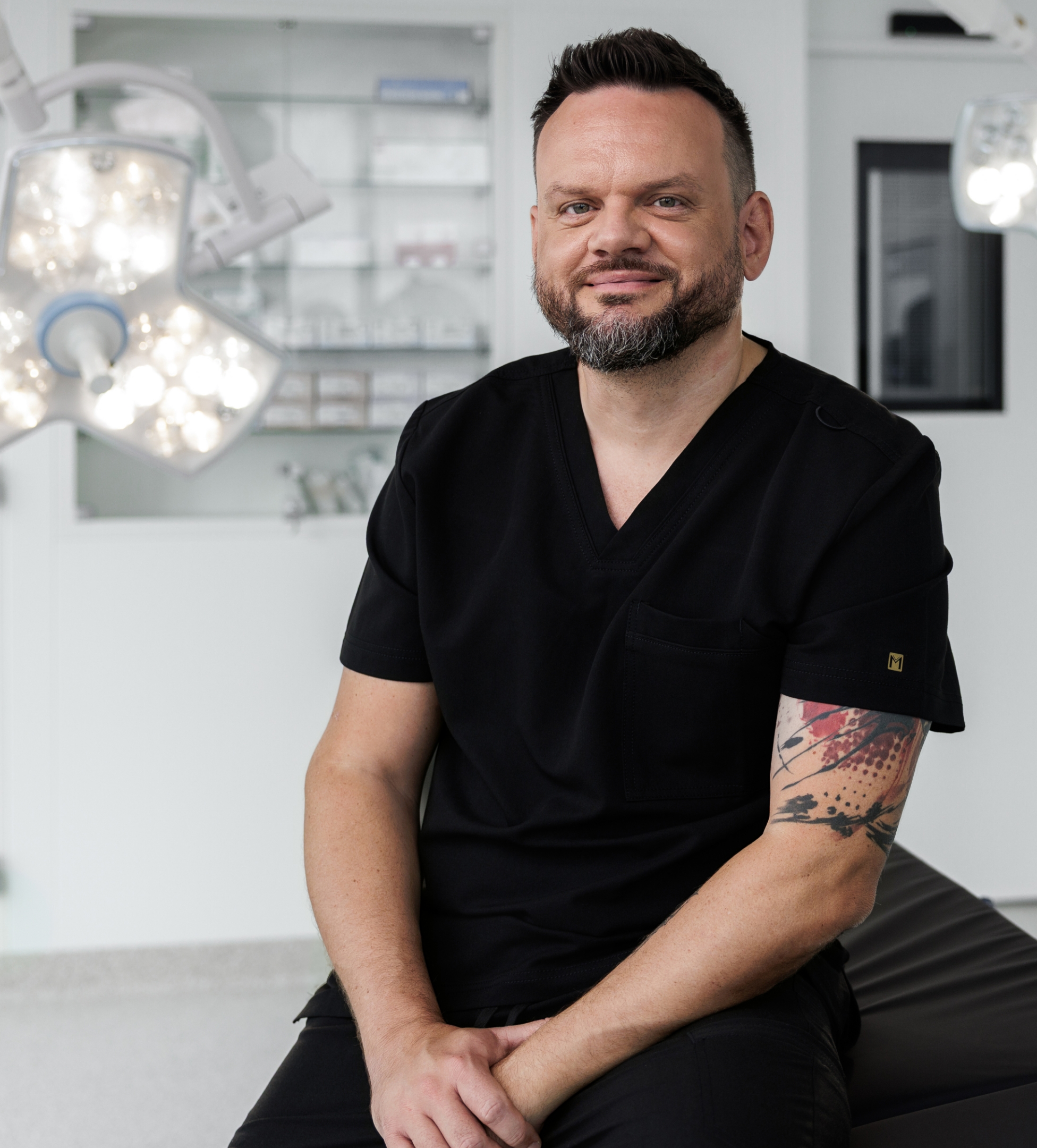
Turn back time thanks to the unique patented facelift technique developed by Dr. Tomas Ventruba. It enables natural rejuvenation of the face and neck by repositioning the deeper structures in the shape of V letter.

Price
from 220,000 CZK

Anesthesia
local anesthesia, local anesthesia combined with analgosedation, general anesthesia


Recovery period
2 weeks

Rest period
4 weeks
V lift
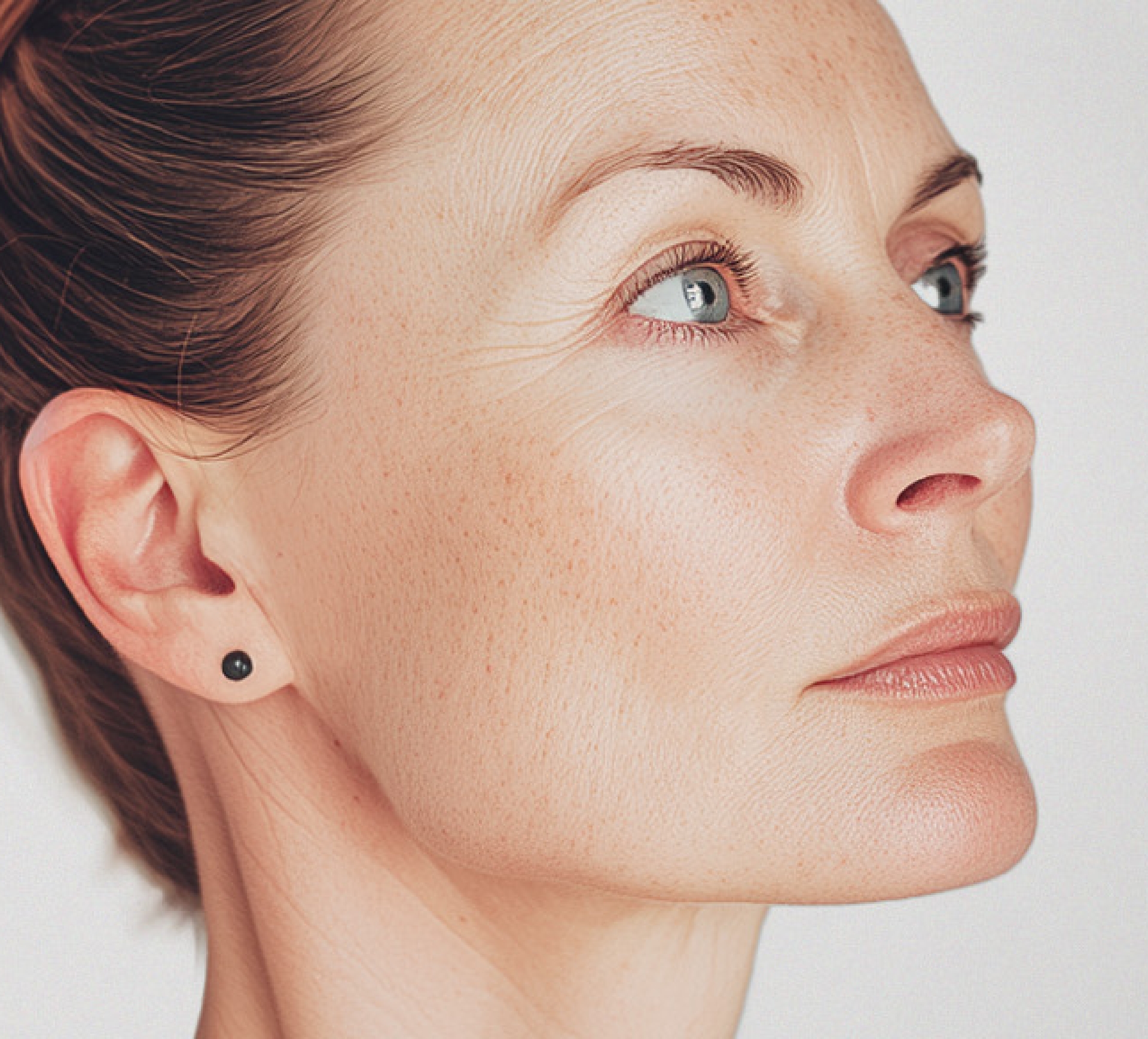
V lift is a unique facelift technique invented and patented by Dr. Tomáš Ventruba. It is a procedure aimed at rejuvenating and contouring the face and neck. The name V lift is derived from the initial letter of Dr. Ventruba’s last name and was also chosen because it is a Vertical type of facelift, where deep structures are repositioned in the shape of the letter V. This is a facelift that combines a modified deep plane facelift technique and a deep neck lift technique. These modern techniques involve repositioning the deeper layers of the face and neck, i.e., not only the skin is repositioned, but also the subcutaneous tissue and muscle. During the procedure, the structures are shifted to the places where they were before. Therefore, the face looks completely natural after the operation and the facial expressions are preserved. Another advantage is that immediately after the operation, the face is less swollen and there is less bruising than with older facelift techniques. The goal for the client is to look very natural, just as they did when they were younger.
Indications
loose skin in the face and neck area, sagging tissues, fat accumulating in the cheek area, double chin, undefined jawline, nasolabial folds
Overnight stay
one night
Stitch removal
stitches are absorbable and so they are just trimmed two weeks after surgery
Facelift: before & after
Description of the surgical procedure
Consultation
An initial consultation is a very important part of the surgery. The client tells the surgeon the reasons why they decided to undergo the procedure, and the surgeon explains what the client can expect from the surgery, what results are realistic, and advises them on the procedure that is most suitable for them. During the consultation, the doctor answers all the client’s questions.
Before the procedure
Before each surgery, it is necessary to assess the overall health of each client, whether it is a procedure under local anesthesia, local anesthesia combined with analgosedation, or general anesthesia. Preoperative examination for general anesthesia is performed by an anesthesiologist or internist. For local anesthesia or local anesthesia combined with analgosedation, you may also have your blood sample taken in a laboratory.
The procedure
V lift is most often performed on an outpatient basis under local anesthesia or local anesthesia combined with analgosedation and takes approximately 3.5 hours to complete. Before the surgery, the surgeon explains everything to the client again, and the client then receives premedication. In the operating room, we administer a local anesthetic by injection. This may be slightly uncomfortable, but the injection only takes a moment, and the client feels almost nothing during the subsequent operation. The incision is made under the chin and is 3-4 cm long. During the operation, the doctor removes fat from the area under the chin above and below the muscle, as needed. The submandibular glands can also be reduced, and finally, the neck muscle is adjusted and sutured. Next, the incisions are placed in front of the hairline, extend further into the ear, and continue behind the ear. The surgeon moves the deeper structures of the face back to where they were before. Excess skin is removed and all wounds are sutured. Since the shape of the face has changed and fat has been removed, the amount of skin covering the face must also be adjusted. The advantage of local anesthesia is that the client cooperates with the surgeon, e.g., by gently moving their head. Another advantage of this type of anesthesia is that it does not place too much strain on the body. In the case of general anesthesia, the client is put into a state of deep unconsciousness and wakes up only after the operation.
After the procedure
Immediately after the procedure, the scar is covered with a plaster, and the head is bandaged with a sterile dressing. The client receives a Redon drain, which is removed five to six days after the operation. The application of a drain after this procedure is very beneficial – the drain creates negative pressure in the area and serves to remove secretions or blood from the body. The client spends the first night at the clinic or at a hotel near the clinic. A 24-hour hotline is available, which the client can contact if necessary. A check-up takes place on the next day. The client can then go home, and it is necessary to have their transport arranged. Another check-up follows five to six days later, when we remove the bandage, pull out the drain, and remove the plaster. The client then disinfects the scars twice a day and applies antibiotic ointment to them.
The stitches are absorbable, but we usually remove any remaining fragments or material during the check-up that takes place two weeks after the surgery. Two weeks after the surgery, the client starts to do gentle pressure massage on the scars and begins to apply silicone cream to them. The scars are less visible after two weeks and barely noticeable after a few months, but it is important to take care of them. Pressure massage should be performed twice a day for several months. The postoperative care bag that the client receives from us after the operation contains all the necessary medications and creams.
Immediately after the procedure, the client may feel a pulling sensation in the neck and jaw area. This feeling is normal and will go away with time. If pain occurs during the first few days, it can be relieved with common painkillers. Most clients report pain on the first day or two, but the pain threshold is, of course, individual. There is also a sensation of numbness on the cheeks around the scars. This is related to the reorganization of the nerve endings, and sensitivity returns within a few weeks. Swelling lasts for approximately fourteen days, during which time it is necessary to follow a rest regimen, avoid bending over and avoid physical exertion. In the first days after the procedure, we recommend eating foods that do not require chewing. After a few days, it is possible to return to normal office work. Air travel is possible two weeks after the surgery.
Durability of results of V lift
V lift visually rejuvenates the client by several years, but it depends on the age and type of face. If a person undergoes a facelift too young, the result may not be so impressive. However, sometimes even a small change can make a huge difference in terms of facial attractiveness. On the other hand, if the face is significantly sagging and there are visible deep wrinkles that even a facelift cannot smooth out, it is too late to undergo such a procedure.
Of course, it is natural for the client to age after the surgery, as no one can stop the natural aging process, but the client´s appearance will be based on the state after the surgery, which means they will still look younger than if they had not undergone the procedure. The longevity of V lift results is individual. Aging is influenced by genetics, but also by lifestyle, sun exposure, smoking and other factors. Therefore, the client needs to take care of the face also after the surgery.
To ensure the best possible effect of the operation, we recommend combining it with other procedures and treatments, if necessary. These may include eyelid surgery, a lip lift or a brow lift. Fine wrinkles can be smoothed out by Morpheus 8 radiofrequency or CO2 laser. It is advisable to take care of your skin, both through regular visits to a cosmetician or beautician and, in older age, through treatments such as CO2 laser or radiofrequency. These treatments increase skin elasticity and significantly slow down the aging process.
Risks
No surgery is completely risk-free. However, these risks are minimized by a skilled and experienced surgeon, adherence to preoperative instructions, and conscientious postoperative care. The client is informed of the most common risks before the surgery.
Procedure Guide
Guidelines and information for clients considering a facelift
Important information in one place
In our procedure guide, you will learn everything important about the preparation and examination before the procedure, as well as its course and possible risks.
Frequently asked questions and answers
The difference is mainly in the vertical direction of the deep tissue displacement. This is a facelift that combines a modified deep plane facelift technique and a deep necklift technique.
The procedure itself is not painful. If the client chooses general anesthesia, they will not feel anything during the procedure. With analgosedation or local anesthesia, the client will receive premedication in advance, which calms the client and relieves any discomfort. In the operating room, we then apply a local anesthetic by injection – this moment may be slightly uncomfortable, but it only lasts a short time. During the operation itself, the client usually feels pressure or pulling of the skin rather than pain.
Our clinic emphasizes maximum safety for each procedure. All operations are performed by an experienced team of plastic surgeons and anesthesiologists, in a medical facility with appropriate equipment.
Before the operation itself, each client undergoes a thorough preoperative examination to minimize risks. During the procedure, the client is continuously monitored, and the team is ready to respond immediately to any unexpected situation.
In case of any complications, we have clear procedures and follow-up with further specialized care. After the operation, we ensure careful checks, thanks to which any problems can be detected and resolved in a timely manner.
It is important to say that complications are rare with an experienced team, but we take them very seriously – and we are prepared for them.
The price of the procedure does not include the consultation, but only the procedure itself and subsequent post-operative care.
It is the main concern of our surgeons that the client should look natural after the surgery. Moreover, this facelift method is characterized by a natural result. The facial expressions are not affected, and the client looks like a younger version of themselves.
You will see the change immediately after the surgery. After two weeks, the more pronounced swelling will usually subside, and the scars will heal and fade over time. However, slight swelling may persist for several months. The outcome can be seen approximately one year after the surgery.
Yes, we often perform a combination of several procedures – for example, a facelift, an upper and lower eyelid surgery, a brow lift and a lip lift. The advantage is a more pronounced and harmonious rejuvenating effect, with healing taking place simultaneously. Complex facial rejuvenation is one of our main specializations.
Yes, it is. A facelift can be repeated in the future if the condition of the skin or the client’s wishes require it. The results of the procedure are long-lasting, but their durability depends on age, genetics, lifestyle, and the quality of skin care.
Skin aging continues naturally, so over time it may be appropriate to perform a revision (secondary) facelift or one of the less invasive procedures that prolong the effect of a facelift (e.g., laser treatment, fillers, lipofilling).
A second facelift is usually possible after several years, depending on individual development.
After a facelift, we recommend regular skin care, protection from the sun and a healthy lifestyle – all these factors prolong the effect and may delay the need for a repeated procedure.
Choosing a plastic surgeon is one of the most important steps when deciding to undergo a facelift. Here are some key criteria to help you make the right decision:
1. Professional qualifications
Check if the surgeon is certified and has a specialization in plastic surgery. In the Czech Republic, he should be a member of the Czech Society of Plastic Surgery (ČSPCH) or the Czech Society of Aesthetic Surgery (ČLS JEP).
2. Experience with a specific procedure
Ask how many facelifts the doctor performs each year and how long they have been performing this procedure. It is important to consider not only their experience in plastic surgery, but specifically in facial surgery.
3. Before-and-after photos
Ask to see real photos or videos of clients before and after the procedure. See for yourself whether the results look natural and match your expectations.
4. Recommendations and reviews
Read other clients’ reviews, be interested in the doctor’s approach, communication and subsequent post-operative care.
5. Personal impression during the consultation
During the personal consultation, pay attention to whether the doctor listens carefully to your expectations, answers questions openly, realistically assesses the results and potential risks, and is not pushy with you.
6. Clinic facilities and equipment
Make sure that the procedure is performed in a medical facility with adequate equipment, certification, and post-operative care.
Final tip: Do not just look at the price. The cheapest procedure may not be the best. Your appearance and health deserve a professional approach and experience.
Other procedures
V lift
Turn back time thanks to the unique patented facelift technique developed by Dr. Tomas Ventruba. It enables natural rejuvenation of the face and neck by repositioning the deeper structures in the shape of V letter.
Deep plane facelift
Restore freshness and youthful glow to your face. A deep plane facelift works with deeper layers of the face to create a natural-looking result that preserves the beauty of natural facial expressions.
Lower facelift
A lower facelift enhances the contours of the lower jaw and rejuvenates the neck area, restoring a youthful and more sharply defined appearance to the face.
Mid facelift
A mid facelift is a type of cosmetic surgery that lifts the middle part of the face. It is ideal for clients with early signs of aging who do not yet need a full facelift.
Mini lift
A mini lift is a less invasive lifting procedure that restores freshness and lightness to the face. It is ideal for those who want to look the way they feel – younger, but still themselves.