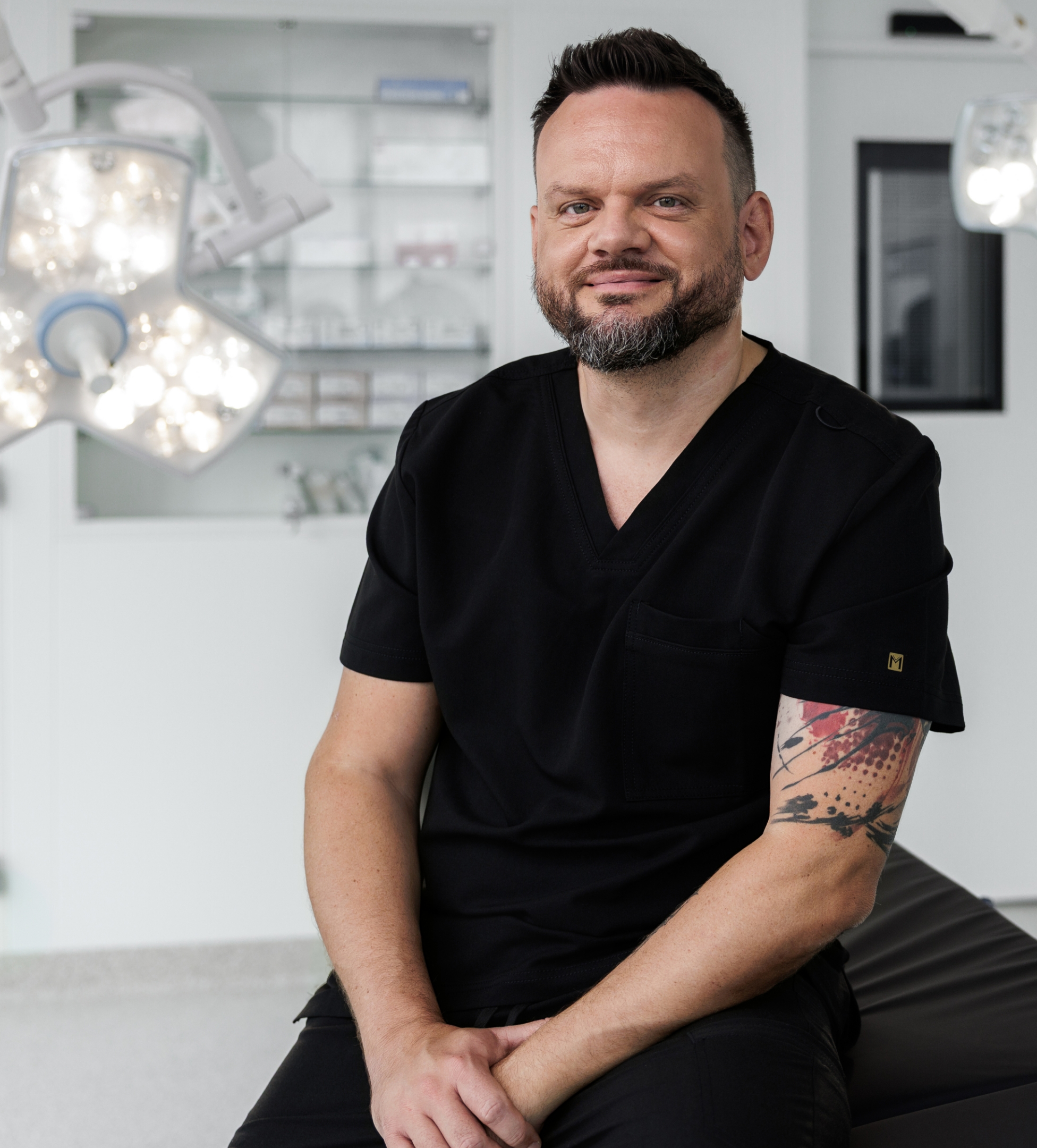
What are the facelift methods? Differences between mini facelift, SMAS and Deep Plane facelift
Facelift is one of the most effective surgical methods of facial rejuvenation. However, individual techniques differ significantly not only in the scope of the operation, but also in the anatomical layers they work with and the results they are able to achieve.
The fundamental difference is not just the size of the incision or the length of recovery. What matters is whether the surgeon can actually release and reposition the loose deep tissues, or only partially close off their surface.
The modern facelift no longer focuses on simply tightening the skin. Its goal is to restore the natural contours of the face and eliminate the signs of aging without an unnaturally tight appearance.
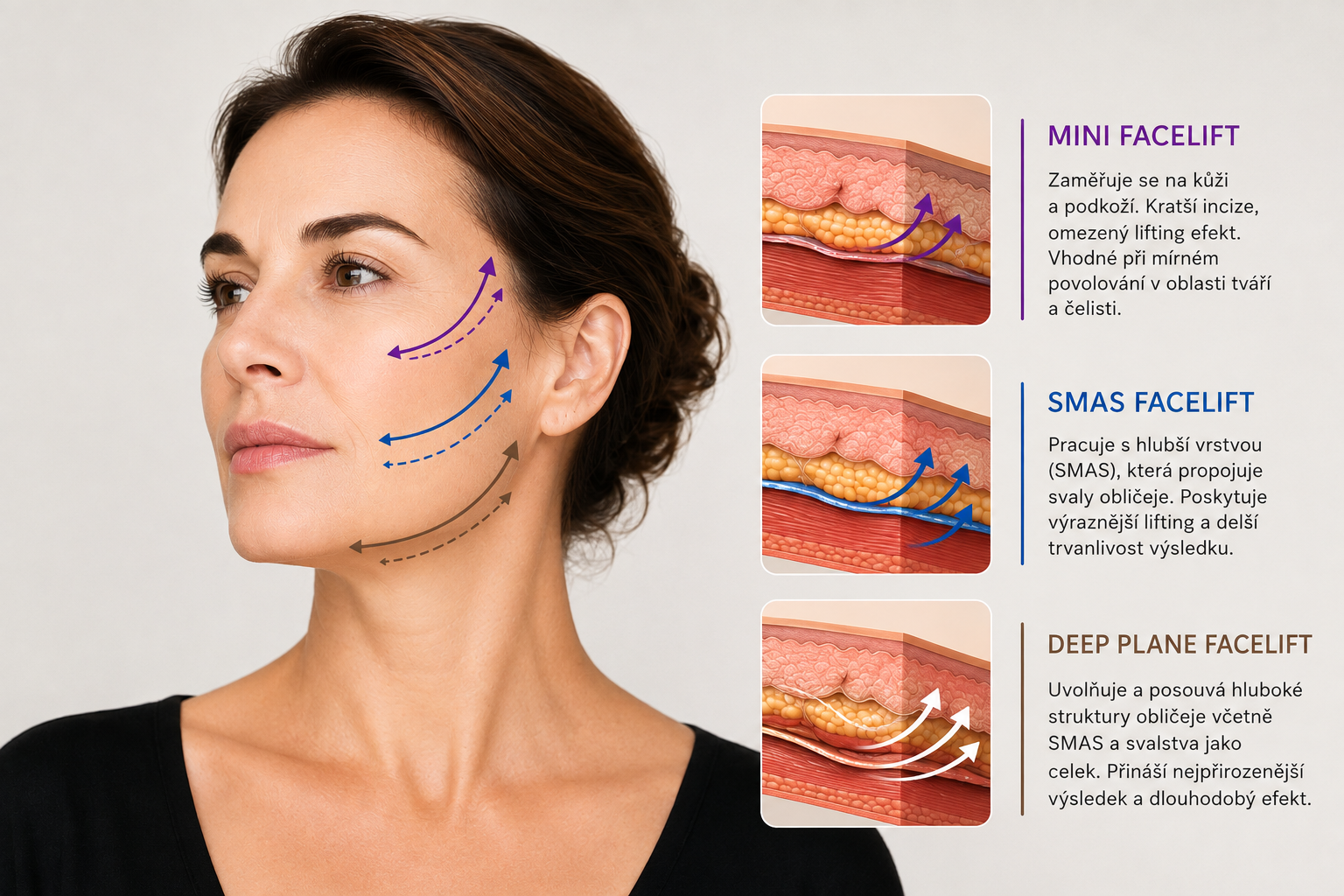
Mini facelift – a solution for only mild signs of aging
A mini facelift is the least invasive option for a facelift. It is intended primarily for patients with very mild tissue sagging in the mid and lower face.
The advantages are shorter incisions, a smaller scope of surgery, and usually a faster recovery. However, these advantages are offset by a limited effect. A mini facelift only works to a smaller extent and cannot significantly correct sagging of deeper facial structures or significant sagging of the cheeks or jawline.
The results tend to be less pronounced and less long-lasting than with more advanced methods. Therefore, a mini facelift is especially suitable for younger patients with the first signs of aging, not as a solution to more significant age-related changes.
SMAS facelift – better results, but still with certain limits
A significant advance in facelift surgery was the introduction of work with a structure known as SMAS (Superficial Musculoaponeurotic System). This fibrous-muscular layer forms the support for the soft tissues of the face and gradually loosens with age, just like the skin.
Unlike older methods that mainly tightened the skin, the SMAS facelift allows for deeper tissue to be adjusted. The results are therefore more natural looking and the tension is not transferred only to the skin scars.
However, most classic SMAS techniques have their limits. In most cases, the fixation ligaments, which are the main cause of tissue sagging, are not completely released. For this reason, the effect in the cheeks, nasolabial folds or lower jaw is more limited than with modern deep techniques.
There are several variations of SMAS facelift, from simple tightening (plication) to the creation and displacement of the SMAS flap. The extent of rejuvenation achieved can therefore vary significantly between methods.
Facelift methods at V Clinic
V lift
Turn back time thanks to the unique patented facelift technique developed by Dr. Tomas Ventruba. It enables natural rejuvenation of the face and neck by repositioning the deeper structures in the shape of V letter.
Deep plane facelift
Restore freshness and youthful glow to your face. A deep plane facelift works with deeper layers of the face to create a natural-looking result that preserves the beauty of natural facial expressions.
Lower facelift
A lower facelift enhances the contours of the lower jaw and rejuvenates the neck area, restoring a youthful and more sharply defined appearance to the face.
Mid facelift
A mid facelift is a type of cosmetic surgery that lifts the middle part of the face. It is ideal for clients with early signs of aging who do not yet need a full facelift.
Mini lift
A mini lift is a less invasive lifting procedure that restores freshness and lightness to the face. It is ideal for those who want to look the way they feel – younger, but still themselves.
Deep Plane facelift – the most comprehensive method of facial rejuvenation
Deep Plane facelift is considered the most advanced and comprehensive facelift technique today. Unlike mini facelifts and classic SMAS methods, the surgeon does not work only with the skin or the SMAS layer itself. He operates in the natural anatomical plane below the SMAS, where he gently releases the fixation ligaments that hold sagging tissues in the wrong position with age.
Once they are released, the entire tissue complex can be repositioned as a single unit – the skin, subcutaneous tissue and SMAS remain connected and move together. This prevents unnatural skin tension and results in an exceptionally natural appearance.
This technique is the most effective way to restore facial volume, reduce nasolabial folds, improve the jawline and neck area. It also delivers the most pronounced and long-lasting results of all current facelift methods.
I am very happy with the result. I did not expect such a great effect that eventually showed. Special thanks to Dr. Ventruba; his excellent skills ensured a perfect surgical outcome.
— Kateřina, 46 let
Is a Deep Plane facelift the best choice?
In most cases, Deep Plane facelift is the most effective surgical method of facial rejuvenation because it addresses the very cause of tissue sagging, not just its symptoms.
However, not every patient needs such an extensive procedure. For younger patients with minimal signs of aging, a mini facelift or one of the less extensive SMAS techniques may be sufficient. However, if the goal is a more pronounced rejuvenation, a natural appearance and the longest possible duration of the result, a Deep Plane facelift usually offers the best options.
The surgeon’s experience is crucial
The name of the surgical technique itself does not guarantee a quality result. Deep Plane facelift is one of the most technically demanding aesthetic surgery procedures and requires detailed knowledge of facial anatomy and extensive experience of the surgeon.
A properly performed Deep Plane facelift represents the pinnacle of modern facelift surgery today. It allows for significant, long-lasting, and above all, natural rejuvenation without the unnaturally tense expression that was typical of older facelift techniques.
With us you are guaranteed
to be in good hands
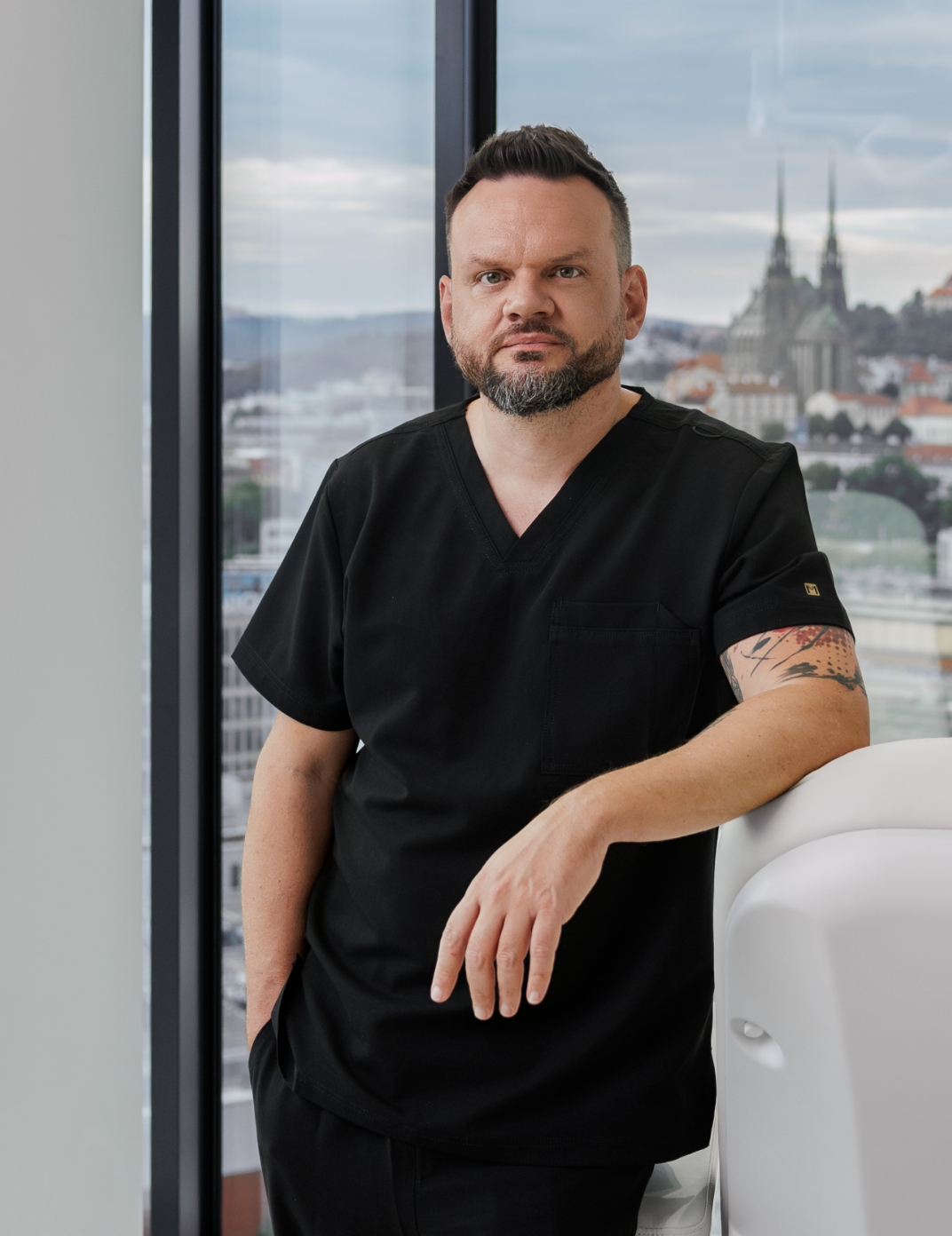
Prim. MUDr. Tomáš Ventruba, Ph.D., MPH, LL.M., MBA
Head of the clinic, plastic surgeon specializing in facial surgery
You might also be interested in

How to get rid of a double chin? From exercise to liposuction to a deep neck lift
A double chin is one of the most common aesthetic problems that can change the overall expression of the face. It can visually add years, disrupt the sharp jawline, and make the face appear tired or heavier. However, it is far from only affecting overweight people – it is often caused by genetics, anatomical disposition, … Continued
Read more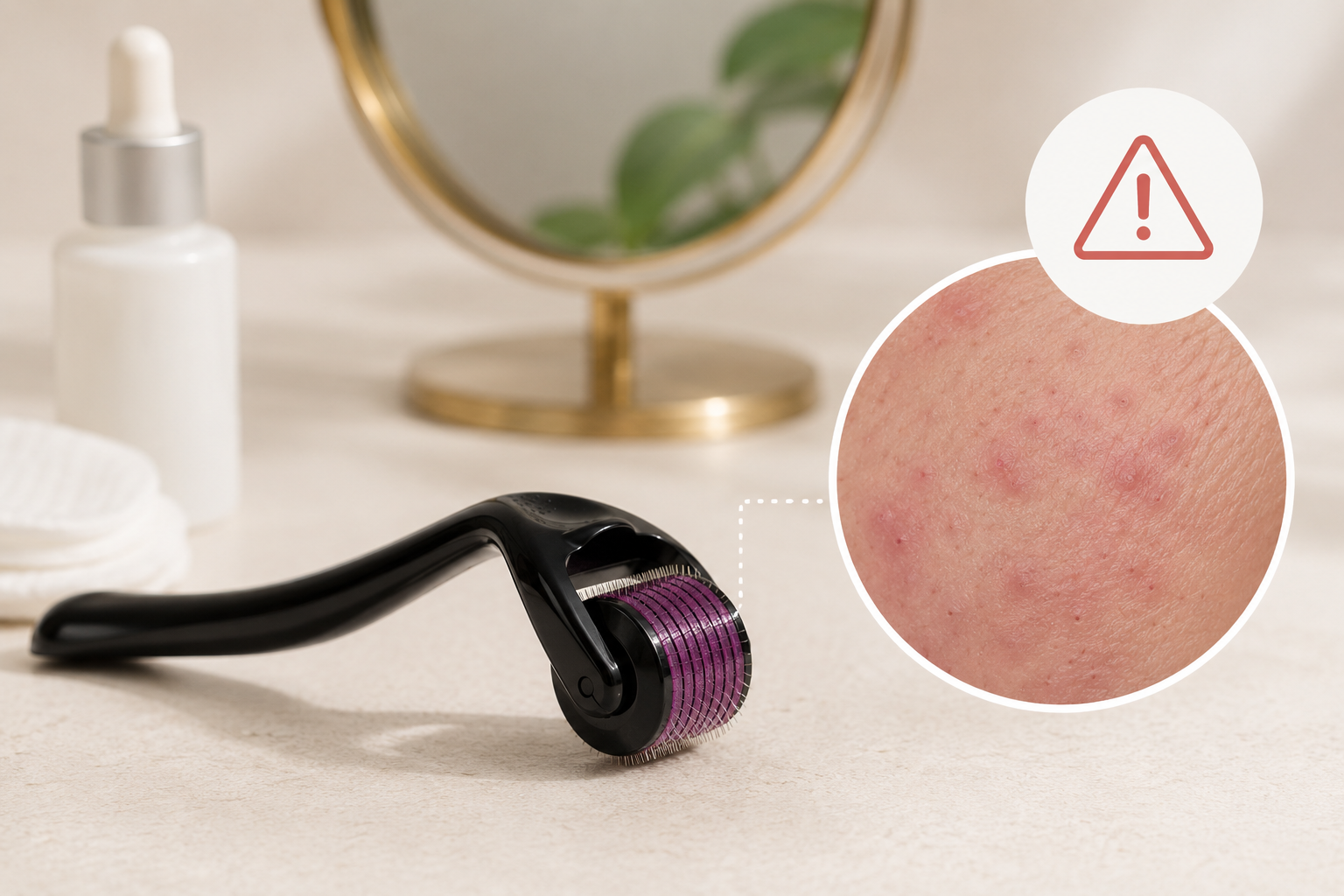
Home dermaroller: why can it do more harm than good to the skin?
On social media, the homemade dermaroller appears as a simple tool that promises smoother skin, smaller pores, reduced acne scars, and better absorption of cosmetics. With just a few swipes across the face, the skin is said to start producing collagen intensively. In reality, however, microneedling is a much more sophisticated method. What works as a precisely controlled stimulation … Continued
Read more
Why our eyes are often the first to reveal our age
Lots of energy, but your eyes look tired. Often it’s not a lack of sleep, a difficult period or stress. A person may feel full of energy, active and happy, but their eyes may be sending a different signal. The area around the eyes is one of the first places on the face to show changes related to age, genetics, … Continued
Read more