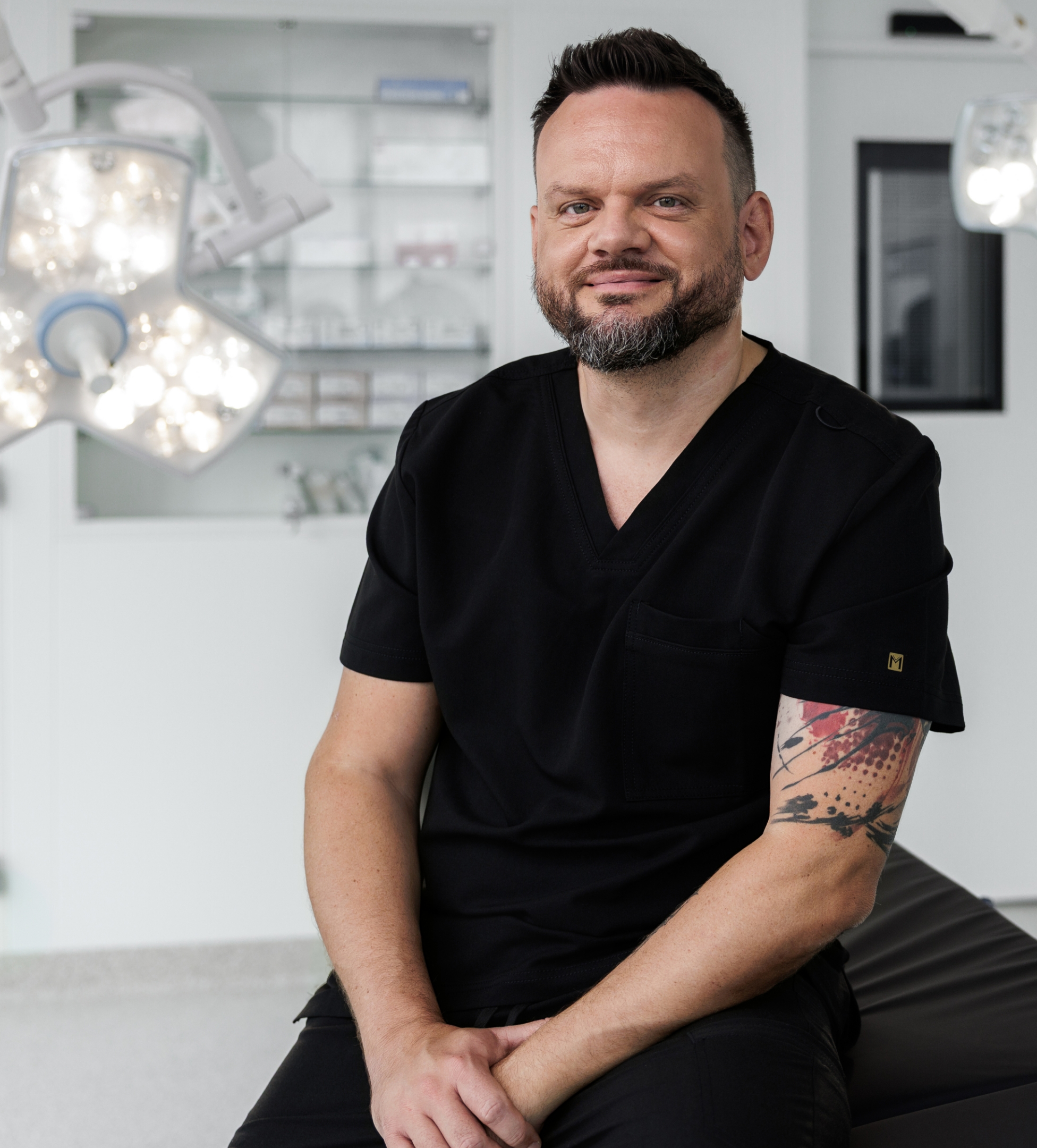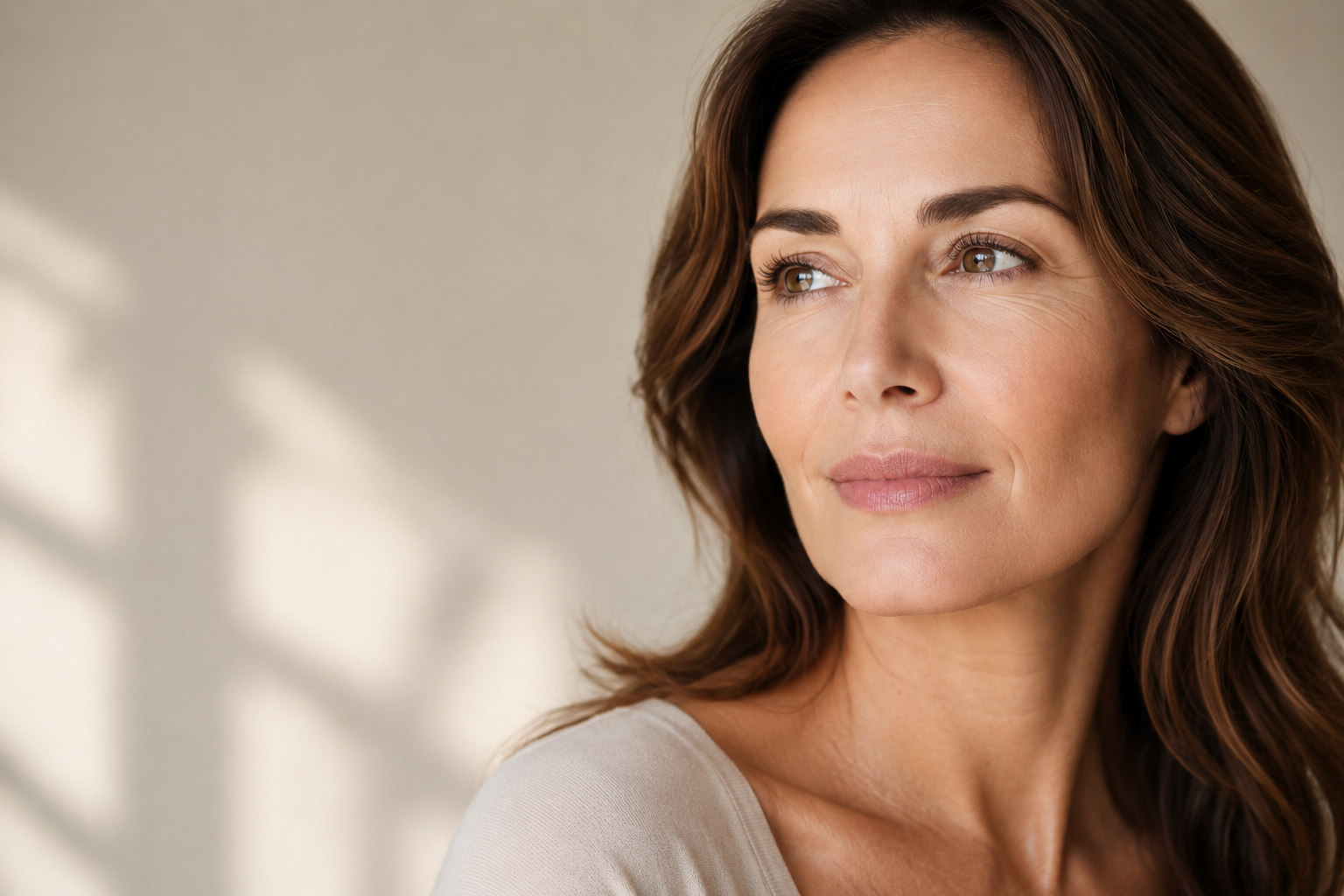
Why our eyes are often the first to reveal our age
Lots of energy, but your eyes look tired. Often it’s not a lack of sleep, a difficult period or stress. A person may feel full of energy, active and happy, but their eyes may be sending a different signal.
The area around the eyes is one of the first places on the face to show changes related to age, genetics, and natural anatomy. The delicate skin of the eyelids, changes in subcutaneous structures, and gradual loss of firmness can cause facial expressions to appear more tired or stern than a person’s actual age.
And that’s why many people are becoming interested in the possibilities of rejuvenating the eye area. Not because they want to change their appearance, but because their external expression no longer corresponds to how they feel.
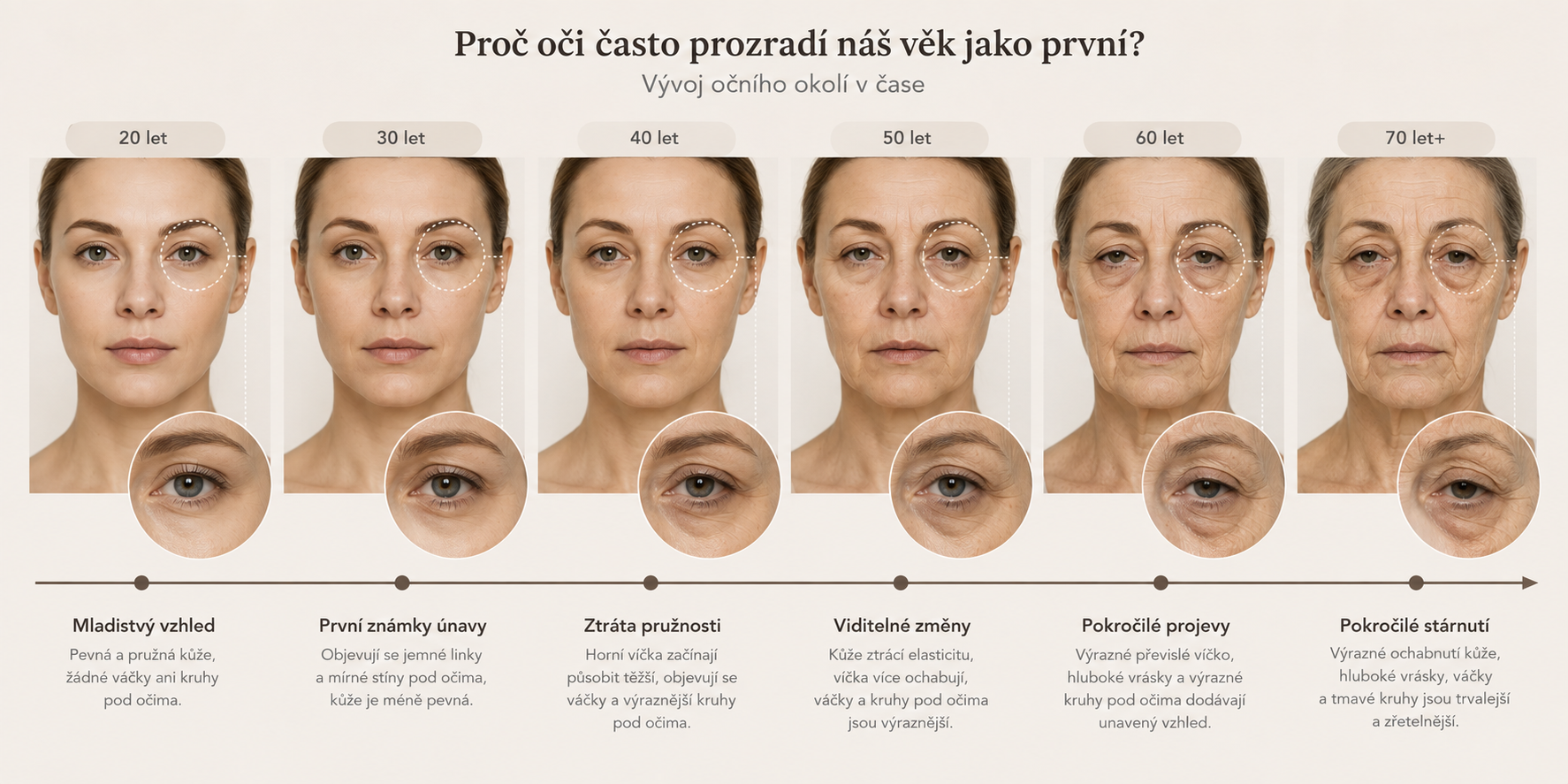
Why do signs of aging appear first around the eyes?
The eye area is one of the most sensitive areas of the face. The skin of the upper and lower eyelids is extremely thin, contains less collagen and elastin than other parts of the face, and is exposed to thousands of blinking and facial movements every day.
As we age, the quality and support of the surrounding tissues can gradually change. The skin loses elasticity, the upper eyelids can start to feel heavier, and bags or shadows under the eyes can become more prominent.
However, age is not always the only cause. For example, some people have more pronounced fat bags under their eyes at a very young age. In this case, it is not a consequence of lifestyle, lack of sleep or poor skin care, but primarily a genetically determined anatomy.
That’s why someone in their thirties may look more tired around the eyes than someone ten or twenty years older.
When cream is not enough: why some changes cannot be solved with cosmetics
Skin care undoubtedly has its place. Quality cosmetics, sun protection, and proper hydration can help keep skin in better condition and slow down the signs of aging.
But there is a difference between skin quality and facial structure itself.
The cream can improve hydration, fine lines, or texture, but it cannot remove excess eyelid skin, correct sagging tissue, or change the placement of fat pads under the eyes.
This is why sometimes people invest in expensive cosmetics, serums and treatments, but still feel that their look is tired. The reason is that they are solving a superficial problem, while the real cause lies deeper.
Blepharoplasty: when we want our appearance to match how we feel
Blepharoplasty, or eyelid surgery, is a procedure that aims to restore a more natural appearance to the eye area.
Its goal is not to create a new eye shape or change the character of the face. On the contrary, the modern approach seeks to preserve the individuality of the person and only remove elements that create a tired or older look.
The most common problem with the upper eyelids is excess skin, which can make the eyelids feel heavy and block the view. After this, the eyes often appear more open and fresh.
The most common problem with the lower eyelids is the so-called bags under the eyes. These are often caused by bulging fat pads, which can become more pronounced over time. Therefore, it is common that even getting more sleep or changing your lifestyle will not help – the problem is not fatigue, but anatomy.
Not every problem requires surgery.
Eye rejuvenation offers more options today, and the right choice depends primarily on what the real cause of the problem is.
When it comes primarily to poor skin quality, fine wrinkles or the first signs of loss of firmness, laser treatments, radiofrequency methods that support collagen production or appropriately selected skin care can help.
Dermal fillers may also be a solution for some patients, such as those with volume loss in the tear trough area. However, this method is not suitable for everyone and requires careful assessment by an experienced professional.
However, if the main problem is excess skin or prominent fat pockets, non-surgical methods have their limits.
Patients’ biggest fear: “Will I look different?”
One of the most common concerns before eyelid surgery is the fear of an unnatural result.
Many people worry that they will have too much skin, a changed eye shape, or an expression that will not match their personality.
However, a well-performed blepharoplasty should work the other way around. It should not be seen as a “done procedure”, but simply as a fresher and more rested appearance.
The best results are not when people around you know you’ve had surgery. The best results are when people simply say, “You look good. Rest up.”
The eyes are a small area, but they have a big impact.
The area around the eyes only makes up a small part of the face, yet it fundamentally influences our expression and first impression.
Many patients do not come with the goal of looking younger at all costs. They come because their appearance no longer matches their energy, lifestyle, and how they perceive themselves.
Blepharoplasty or other eye rejuvenation procedures are not about changing a person. They are about gently restoring balance between how a person looks on the outside and how they truly feel on the inside.
You might also be interested in
What are the facelift methods? Differences between mini facelift, SMAS and Deep Plane facelift
Facelift is one of the most effective surgical methods of facial rejuvenation. However, individual techniques differ significantly not only in the scope of the operation, but also in the anatomical layers they work with and the results they are able to achieve. The fundamental difference is not just the size of the incision or the … Continued
Read more
How to get rid of a double chin? From exercise to liposuction to a deep neck lift
A double chin is one of the most common aesthetic problems that can change the overall expression of the face. It can visually add years, disrupt the sharp jawline, and make the face appear tired or heavier. However, it is far from only affecting overweight people – it is often caused by genetics, anatomical disposition, … Continued
Read more
How long does a facelift last?
Find out how long a facelift lasts, what affects its durability, and how you can maintain the results of your rejuvenation for as long as possible.
Read more